
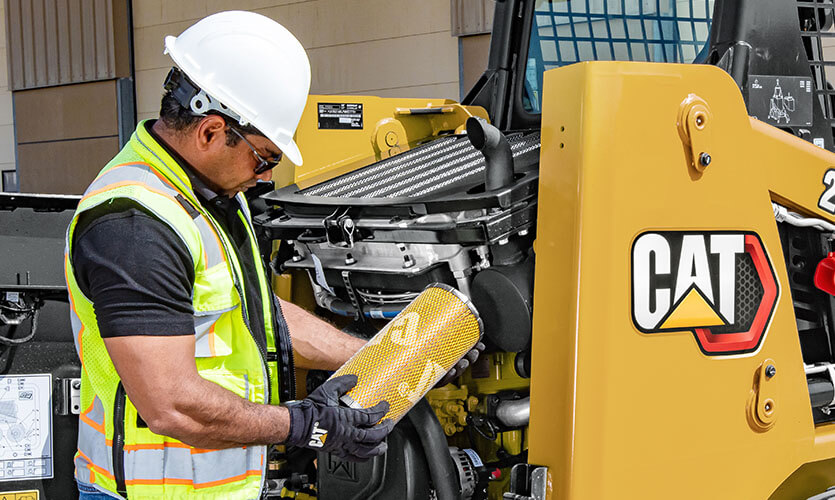
The modern buyer is more critical when it comes to the purchase of used equipment. They are not dependent on the inspection or words only. Elaborated service records, service history, and utilization services are now a necessity. Customers desire to be assured that when they are purchasing equipment, they are assured that it will work or be very productive in the long run. Documentation has become the core of the trust between the seller and the buyer, and it has created the impression prior to the negotiations commencing.
Maintenance Records Decrease Perceived Risk
Maintenance that is not documented raises doubts about the equipment. Buyers are concerned about some problems that are not clearly seen. Maintenance records assist in showing that machines underwent proper maintenance in a timely manner. Such records can highlight the trends in usage and repair, which will give an idea about machine life. Buyers would be safe in their investment when they are provided with evidence of continuous care. This reduces the perceived risk and increases their likelihood of making the purchase.
Paperwork Accelerates The Decision-Making Process
The maintenance histories are clear and well organized, which minimizes the back-and-forth queries. Sellers do not need many checks and repetitive investigations, as buyers are able to assess the condition of a machine within a short period of time. Quick decisions are advantageous to the buyer and the seller. Sellers are able to execute their transactions faster, and buyers can spare their time and resources to engage in the current projects instead of waiting to be verified. In a market where time is a factor, documentation has been an important tool to ensure the sales process runs smoothly.
Pricing Power Improves With Verified Service History
Construction machines that have full maintenance documents usually fetch a higher price as opposed to those that do not. Customers are equating documented history with lower risk and increased life cycle. Sellers can obtain the capability to charge the prices even in competitive markets, as the buyers can perceive the value of the machine correctly. Price justification is supported by documentation that will reduce the need for discounts. It makes the process of negotiation one that is more about equity and not about uncertainty.
International Sales Relies On The Transparent Records
When foreign consumers are acquiring secondhand machinery, they are very sensitive to maintenance records. Physical inspections can be constrained/difficult because of distance. It is where detailed service records come in to offer the visibility required to move forward. When sellers have detailed logs, they can gain more new markets and increase the number of customers. Clear records are also beneficial in dealing with customs, financing, and warranty across borders to minimize the complexity in cross-border dealings.
Digital Recordkeeping Is Replacing Paper Trails
The sellers of modern equipment are increasingly utilizing digital platforms in maintenance documentation. Digital logs are easy to access, more organized, and are stored over the long run than paper trails. The buyers are able to check the maintenance history in a short period and send it to the stakeholders of the project. Real-time updates and alerts are also possible using digital tools, and make the records up to date. Such a change enhances efficiency, fosters confidence, and increases transparency in the market of used heavy equipment.
Confidence After Sales Guarantees Seller Reputation
Sound maintenance records will make gains even after the sale. Customers feel confident with the vendors who maintain transparent records of their services, and this eliminates conflicts and after-sales problems. Good experiences create repeat business and build a good reputation for the seller. Consistent records will give the buyers the confidence that they are dealing with professionals who are concerned with long-term relationships and not short-term gains. This trust is an asset of a competitive market.
Inspection Records Enhance Long-Term Asset Management
Keeping the inspection and service record is also useful as it allows both the buyers and sellers to keep a record of the lifecycle of the machine. It gives an understanding of how worn-out parts, as well as the overall performance trends. The buyers are able to make maintenance plans and budgets better, and the sellers better understand the value of machines in the long term. These records develop an organized method of asset management and raise confidence in all the transactions.
Documenting Has Become A Marketing Standard, Not A Bonus
Used equipment sales will no longer disregard maintenance documentation. It has turned out to be a market expectation that sets apart professional sellers and the less prepared competitors. The comprehensive service history is becoming a fundamental requirement for buyers. Sellers who do not give detailed records will lose credibility and market share. The transparency, reliability, and professionalism based on the equipment used industry is now documented.